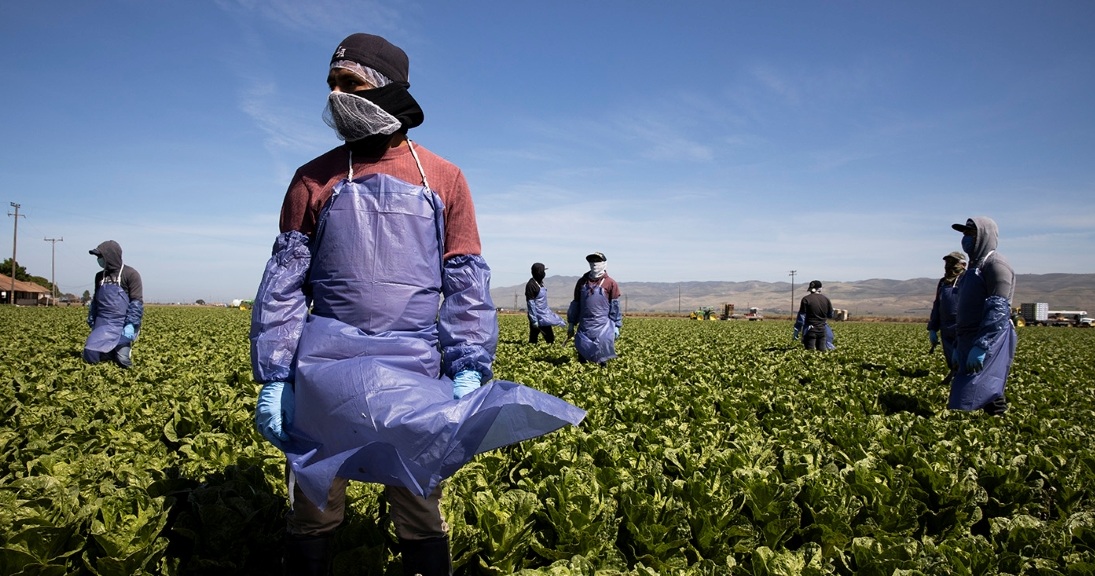
The U.S. employs about 1.4 to 2.1 million crop workers each year, many on work visas. Undocumented workers often face abuse and have limited options for recourse.
These abuses can include wage theft, where employers withhold earnings or pay less than agreed; exposure to unsafe or hazardous working conditions without proper safety equipment; denial of access to healthcare or compensation for workplace injuries; and discrimination or harassment based on nationality or immigration status. Additionally, undocumented workers are sometimes subjected to threats of deportation if they report mistreatment, making them especially vulnerable and less likely to speak out against injustice.
Undocumented Labor Skews the Harvest
When a farmer follows the law and hires only legal workers—whether U.S. citizens, green card holders, or those on approved visas—they’re required to pay fair wages, offer basic benefits, and comply with labor regulations. That increases the cost of doing business. Higher labor costs increase the price farmers must charge for their harvest to be profitable.
But a neighboring farmer who hires undocumented workers under the table can slash their labor costs dramatically. No payroll taxes, no overtime, no workers’ comp, no healthcare. They can afford to sell their crops for less and still turn a profit.
How does the law-abiding farmer compete with that? They don’t.
This isn’t just unfair, it’s unsustainable. It punishes integrity, rewards exploitation, and pressures good farmers to either break the law or go out of business.
If we want fairness in agriculture, we need to fix the enforcement gap and reform the system so that cheap labor doesn’t come at the cost of legality, safety, or economic justice.
Modern Exploitation: The New Plantation Economy
Democrats often claim to stand for labor rights, fair wages, and union protections. Yet many turn a blind eye—or even actively support—policies that flood the labor market with undocumented workers. That’s not pro-labor. That’s pro-exploitation.
When you allow an underground labor market to flourish, you’re not empowering the working class, you’re undercutting it. Legal workers, many of whom are American citizens or lawful immigrants, simply can’t compete with someone who will work for cash under the table, with no protections, no minimum wage, and no recourse when abused.
This is eerily like the pre-Civil War economy. The North, with its growing industrial labor force, faced real challenges competing against the South’s slave-based economy. Free labor cannot compete with forced or exploited labor.
Today’s undocumented labor force might not be slaves—but the dynamic is hauntingly familiar: A shadow economy that benefits the powerful while depressing wages and conditions for everyone else.
The truth is, you can’t be both pro-union and pro-illegal labor. One undercuts the other. And pretending otherwise is either willfully naive or deeply dishonest.
Compassion Doesn’t Mean Chaos
If we genuinely care about undocumented workers, the most compassionate and honest thing we can do is help them get documented—legally recognized, protected by labor laws, and paid fairly. That would lift them out of the shadows and put them on a path to dignity and economic stability.
But if legal status isn’t possible, then keeping them here to pick our crops under illegal and exploitative conditions is not mercy—it’s moral outsourcing. It’s pretending to be kind while allowing others to suffer for our economic convenience.
In truth, many of these individuals might be better off with a one-way airline ticket to the destination of their choice, somewhere they can live legally and freely. That’s a hard truth, but it’s more just than trapping them in a system that uses their labor while denying their rights.