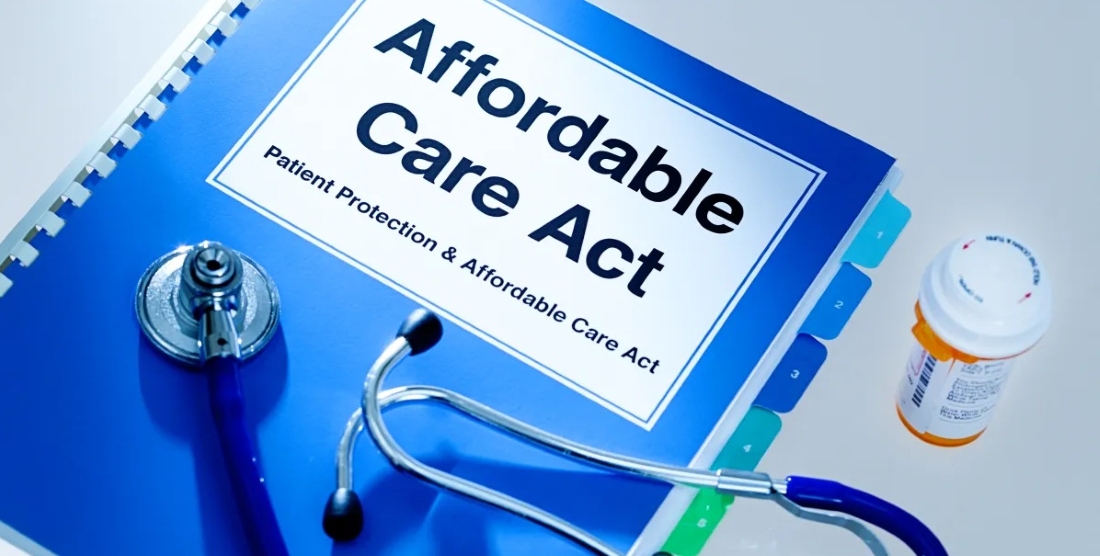
In today’s individual health insurance marketplace, the cost of coverage under the Affordable Care Act (ACA) has become unaffordable for most people. Health insurance premiums continue to rise. For many Americans the notion of “affordable” health insurance, even with subsidies and tax credits through the ACA, remains out of reach. Millions of Americans are asking, “Why are my health insurance premiums so high?” The answer lies in a combination of rising healthcare delivery costs, high-priced prescription medication, regulatory burdens, risk-pool dynamics, and an unsustainable, subsidy-dependent marketplace design.
Recent filings by insurers participating in the ACA marketplace reveal a sharp uptick in premium requests: for 2026 plan-year filings, the median proposed premium increase is about 18%, more than double the 7% median increase projected for 2025. Meanwhile, experts estimate that if enhanced premium tax credits expire as scheduled, some enrollees could see net premium payments more than double from current levels.
Coverage for some people appears to be somewhat “affordable” only because taxpayers absorb a portion of the insurance bill, often more than half the cost.
Below are the principal factors pushing premiums upward; together they constitute a web of cost and policy pressures that sober-minded observers argue point to deep structural issues with the Affordable Care Act as well as healthcare in America overall.
Rising Health-Care Delivery Costs
Insurance companies track what it costs to deliver healthcare – and those costs are consistently increasing. Insurers cite higher labor costs, inflation, higher provider reimbursement rates, and increasing utilization of care as justification for their high premiums. Moreover, the growing use of specialty medications – especially novel therapies such as GLP-1 drugs for obesity / diabetes – is explicitly flagged as a cost-driver. The fundamental principle is simple: if costs of care go up, premiums follow.
Prescription Medication
Prescription drug prices remain a significant driver of increased premiums. The costs of new specialty drugs, brand-name medications, and treatments for chronic conditions have surged in recent years, outpacing general inflation. Insurers often face higher claim costs due to the widespread use and rising prices of these medications, which are then passed on to consumers in the form of higher premiums. This trend underscores the need for ongoing policy debate around pharmaceutical pricing and coverage mandates.
Regulatory Burdens
Under the ACA, individual market plans must meet minimum standards – cover a defined set of “essential health benefits,” guarantee issuance regardless of health status, and prohibit annual / lifetime benefit caps. While these protections respond to legitimate concerns, they also raise the baseline cost of insurance. A product that must cover more and impose fewer exclusions costs more. When the Affordable Care Act expanded what a health insurance plan must cover it also caused the price of coverage to increase substantially. It’s a simple equation really. “More” costs more.
Risk-Pool Dynamics and Enrollee Behavior
Insurance only works when a broad mix of healthy and less healthy people participate. But several factors threaten that mix in the ACA individual market:
- As premiums (net of subsidy) rise, healthier individuals may drop coverage, leaving a sicker pool and higher claims.
- Scheduled cuts or expiration of enhanced premium tax credits discourage healthy and / or wealthy people from participating in the ACA marketplace, worsening risk imbalance.
- When the risk pool becomes less healthy, costs rise to cover expected losses.
Subsidy-Dependence and the Affordability Gap
The marketplace design under ACA leans heavily on subsidies (premium tax credits + cost-sharing reductions) to make plans affordable for millions of Americans. But when subsidy levels are uncertain or scheduled to end, premium pressures mount. For example: the expiration of enhanced credits may push many into a position where their premium share jumps dramatically. Middle-income households – those who earn too much to qualify for the largest subsidies yet too little to comfortably absorb large premium hikes – are especially vulnerable. The reliance on subsidies serves as a signal that underlying premium levels are inherently unaffordable for many without government help.
Market Structure, Competition & Overhead
While less often spotlighted, issues like provider consolidation (hospitals negotiating higher reimbursement), fewer insurers in some markets, administrative/regulatory overhead, and even non-medical factors (e.g., tariffs on medical equipment) all play a role. When markets are less competitive and regulatory burdens heavy, prices go up.
Going Forward
Unless these cost pressures are addressed, premiums will continue rising at unsustainable rates- especially if subsidies shrink further and healthier individuals exit the marketplace.
Legislators who emphasize market principles should look to reforms that increase competition (inter-state sales, greater plan choice), reduce regulatory mandates so additional lower-cost plan alternatives exist, and enhance transparency in provider pricing.
For consumers, a lower premium often means accepting higher risk (deductibles, narrower networks) or seeking alternative plan designs. Through the ACA marketplace, coverage is “affordable” only because taxpayers absorb a portion of cost; without that, the marketplace will collapse.
Conclusion
Americans face increasingly high health insurance premiums due to the confluence of medical-cost inflation, pharmaceutical pricing, regulatory mandates, adverse risk-pool dynamics, subsidy dependence, and structural market constraints. If a government program such as the Affordable Care Act requires large subsidies or frequent bailouts to keep costs “affordable”, then it’s not sustainable, nor is it “affordable”.
Congress needs to focus more on the causes of high health insurance premiums rather than arguing over how much subsidizing the federal government should be doing to keep the ACA from collapsing.