Iran’s uprising is not just about toppling the Islamic Republic—it’s about avoiding the mistakes that led to dictatorship in 1979. This exposé explains how Iranians can win freedom, build a secular democracy, and prevent the return of authoritarian rule under a new name.
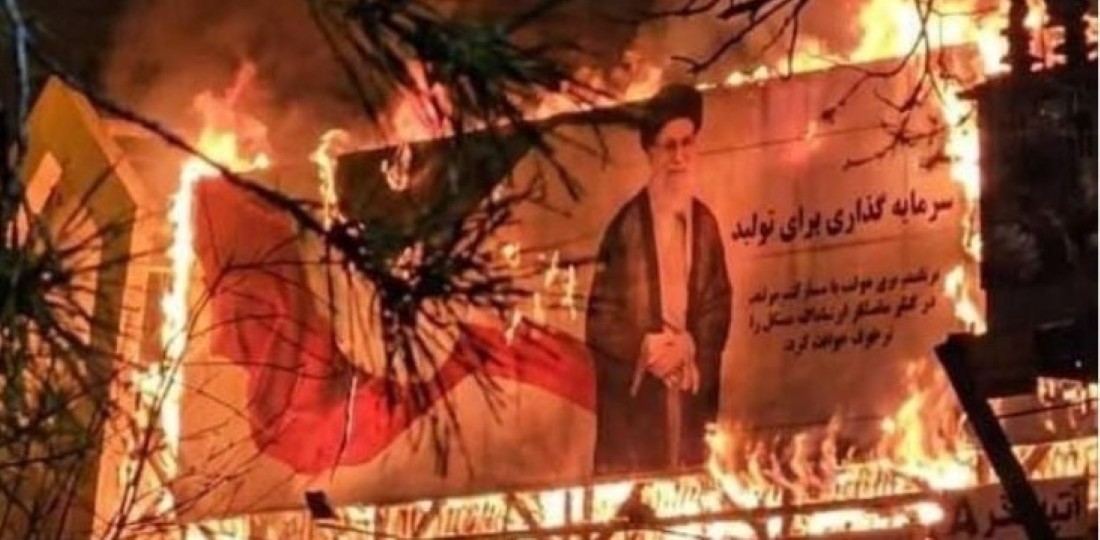
Iran stands at a historic crossroads, one it has reached before and failed to navigate. Millions of Iranians no longer believe in the Islamic Republic. Its ideological authority has collapsed, its promises ring hollow, and its survival depends almost entirely on repression. What remains unresolved is not whether the Islamic Republic will eventually fall, but whether its collapse will lead to genuine freedom or simply another authoritarian regime wearing a different uniform. Iran has overthrown tyrants before, yet each time power reconsolidated, first under a secular monarchy and then under a religious dictatorship. This is not about slogans, hope, or romantic revolution. It is a practical guide grounded in history and power, written for Iranians yearning for freedom today and determined not to repeat the mistakes of the past.
Courage has never been Iran’s problem. Iranian protesters have demonstrated extraordinary bravery for decades. What has been missing is leverage. Regimes do not fall because people hate them; they fall when they can no longer function. Mass protests alone do not collapse authoritarian systems. Authoritarian regimes fall only when four conditions converge: economic paralysis, security force fracture or neutrality, the presence of a credible alternative government, and widespread belief that the day after will not descend into chaos. Without these elements, even the most courageous uprising can be absorbed and crushed.
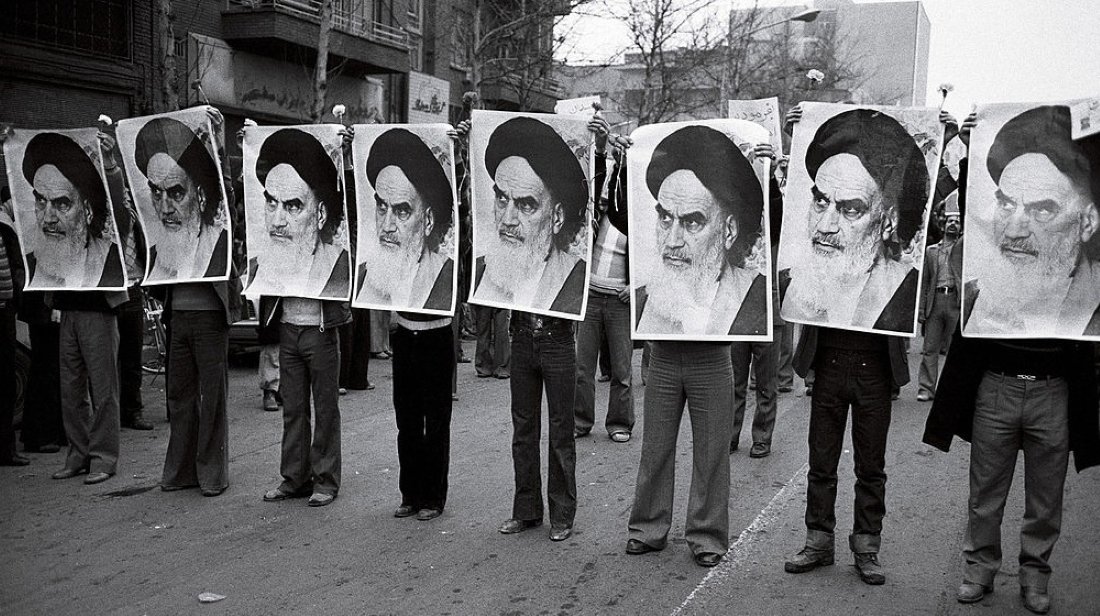
Understanding how to win freedom requires confronting the uncomfortable truth about 1979. The Islamic Revolution did not succeed because Iranians wanted clerical rule. It succeeded because the Shah’s system eliminated all peaceful avenues for opposition. Political parties were banned, parliament was neutered, the secret police ruled by fear, economic inequality grew alongside oil wealth, and cultural change was imposed rather than chosen. When reform is impossible, revolution becomes inevitable, and when secular democratic opposition is erased, radical alternatives fill the vacuum. The clerics did not rise because they were universally loved; they rose because they were organized and uncontested. That vacuum must never exist again.
Any successful overthrow of the Islamic Republic will unfold in phases, whether planned or not. The first phase is breaking the regime’s ability to function. Protests raise visibility but strikes create leverage. Oil workers, transport workers, and bazaar closures matter more than street demonstrations alone. The regime can imprison protesters, but it cannot govern without revenue. Economic paralysis, not moral outrage, is the lever that forces authoritarian systems to bend or break.
The second phase is forcing security neutrality. Revolutions succeed when soldiers hesitate. That hesitation does not require mass defections; it requires doubt. Security forces must believe there will be no mass revenge, that their families will be safe, and that a functioning state will exist after the regime falls. Fear keeps authoritarian regimes alive, but certainty about a stable transition ends them.
The third phase is the most difficult and the most important: presenting a credible alternative. People do not risk their lives for abstractions. They risk their lives for a future they can visualize. Iran must have a transitional civilian council with named representatives, a temporary constitutional roadmap, and a clearly defined timeline to free elections. There must be no supreme leader, no savior figure, and no strongman promising order. Revolutions that fail to define what comes next almost always produce new tyrannies.
The greatest danger after the fall of the Islamic Republic will not be Islamism but nostalgia. When transitions are painful, and they always are, people look backward. This is how authoritarian systems are reborn. Every return to dictatorship begins with the same argument: give us power now to stabilize things, and freedom will come later. That lie produced Reza Shah, Mohammad Reza Shah, and Ruhollah Khomeini. A free Iran must permanently reject the belief that repression is preferable to disorder. Democracy is loud, slow, and uncomfortable by design. That discomfort is not weakness; it is resilience.
Preventing a new Shah requires structural safeguards, not good intentions. Power must never again be concentrated in one office or family. A democratic Iran must constitutionally prohibit hereditary rule, unelected authorities, unlimited emergency powers, and military involvement in politics. All armed forces must be placed under civilian law, ideological militias dismantled, and military officers barred from political office for a defined period. A democracy cannot endure when the military is subject to individual authority rather than the rule of law.
Decentralization is equally essential. Tehran-centric power enabled both the monarchy and the Islamic Republic. A free Iran must empower provinces, municipalities, and minority regions with real budgets and elected authority. Centralization is authoritarianism’s natural habitat. Local power disperses it.
Iran must also confront its past honestly. Selective memory is a breeding ground for tyranny. A national truth and accountability process must document the crimes of SAVAK (the secret police, domestic intelligence, and security service of Iran under the Shah) and the crimes of the Islamic Republic alike, focusing on systems rather than vengeance. Nations that mythologize their past condemn their future. Nations that document it protect themselves.
Free speech is the final and most important safeguard. A democratic Iran must protect the right of Islamists, monarchists, secularists, and critics of all kinds to speak freely. The moment speech is restricted in the name of stability; freedom has already begun to die. Bad ideas must be defeated in public, not driven underground where they fester and return stronger.
Iranians must demand clear, written commitments from any transitional authority: a temporary constitution, free elections within a defined timeline, independent courts, freedom of religion and non-belief, freedom of speech and assembly, equal rights for women, and absolute civilian control of the military. These principles are not negotiable, and they cannot be postponed.
Iran does not lack heroes. What it has lacked is a system that outlives them. The Islamic Republic will ultimately fall not only because it is hated, but because it can no longer justify itself to its own people. When that moment comes, Iranians will face a choice that will define generations: another ruler, or a system that no ruler can ever dominate again. The first path is familiar and seductive. The second is difficult and uncertain. Only one leads to lasting freedom.