Behind the Blacked-Out Pages: Unraveling the FBI’s Secret Epstein Files
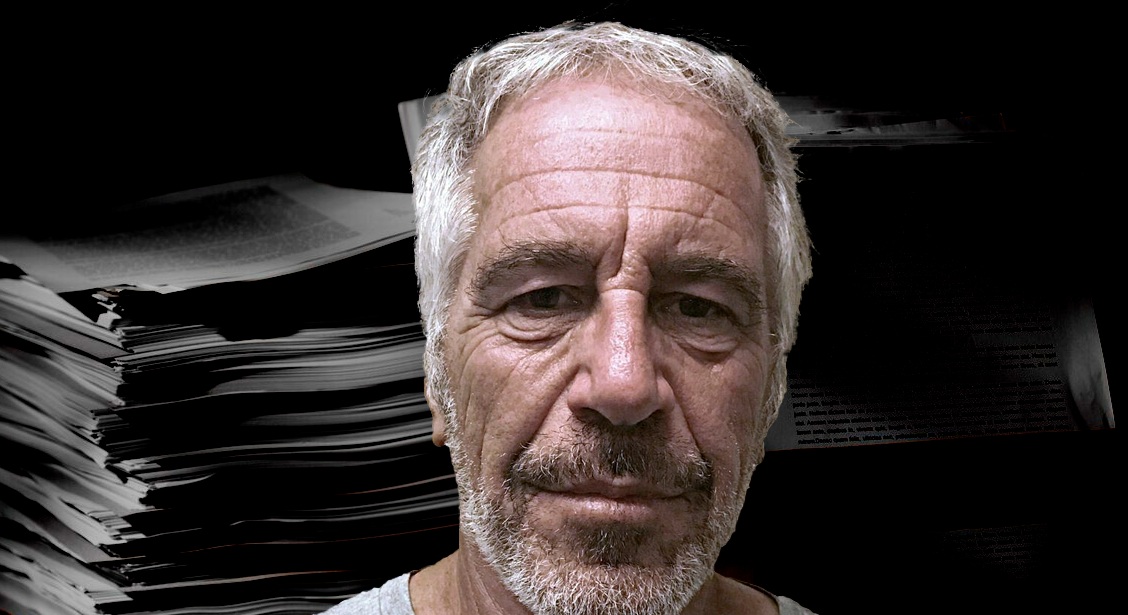
Jeffrey Epstein’s crimes and connections continue to raise questions about how much the public still doesn’t know and why. Central to this mystery are the FBI’s investigation files — a vast collection reportedly running over 100,000 pages. Despite public demand, these files remain heavily redacted or completely sealed.
Who Prosecuted and Defended Epstein?
The lead federal prosecutor involved was Alexander Acosta, then U.S. Attorney for the Southern District of Florida. Acosta later became U.S. Secretary of Labor but resigned after scrutiny over the Epstein deal.
Epstein’s defense attorneys included high-profile names such as Alan Dershowitz, Kenneth Starr, Roy Black, and others.
The 2008 charges were filed at the state level in Florida, but federal involvement loomed heavily over the negotiations.
Epstein’s Conviction and Sentence
Jeffrey Epstein was convicted in 2008 after pleading guilty in Florida state court to soliciting a minor for prostitution and procuring a person under 18 for prostitution. He received an 18-month sentence but served only about 13 months under a controversial work-release arrangement.
This punishment was far lighter than typical federal sentencing guidelines for sex trafficking offenses, which often range from decades in prison to life, depending on victim count and coercion.
The unusually lenient outcome stemmed from a non-prosecution agreement negotiated between Epstein’s attorneys and federal prosecutors.
The FBI’s Investigation
The FBI opened its major investigation into Epstein in 2006, after Palm Beach police uncovered dozens of potential victims. The case was extensive, involving collaboration with local law enforcement, the U.S. Attorney’s Office, and eventually the Department of Justice.
Reports suggest the FBI amassed more than 100,000 pages of material, documenting testimony, evidence, and possible co-conspirators.
These records are spread across FBI field offices, including Miami, New York, and Washington, D.C.
Why the Files Remain Hidden
It’s complicated.
The FBI has not released its Epstein records in full for several reasons:
- Victim Protection – Redactions safeguard the identities and privacy of minors who were exploited.
- Grand Jury Secrecy – Testimony and evidence presented before grand juries cannot legally be disclosed.
- Ongoing Investigations – Some aspects of Epstein’s network remain under federal investigation.
- Political Cover – The files likely mention numerous influential individuals, making public release sensitive. Jeffery Epstein had a broad network, with hundreds identified by the FBI as having contact with him or traveling on his jet. However, contact with Epstein does not imply criminal activity.
Trump’s Claim and Virginia Giuffre
After news broke of Epstein’s illicit activities, Donald Trump publicly stated that he had banned Epstein from Mar-a-Lago years earlier, citing inappropriate behavior in the club’s spa area. According to reports and sworn depositions, Virginia Giuffre—who would later become one of the most vocal survivors—was working as a locker room attendant at Mar-a-Lago when she first encountered Ghislaine Maxwell, Epstein’s close associate. It was Maxwell, not Epstein directly, who approached Giuffre with what appeared to be a lucrative job opportunity, ultimately connecting her to Epstein’s network.
This encounter at Mar-a-Lago has become a focal point in the broader narrative of how Epstein and his associates targeted and recruited vulnerable young women. Trump’s decision to expel Epstein has been referenced in legal proceedings and media coverage as an early indication that Epstein’s behavior was raising concerns across elite social circles—even before his crimes were widely known.
Victims Who Have Come Forward
Dozens of victims have stepped forward over the years, seeking justice and sharing their stories in hopes of shedding light on the mechanisms by which Epstein and his associates operated. Among the most recognized names are Virginia Giuffre, whose advocacy and testimony have been central to ongoing investigations; Sarah Ransome, who provided detailed accounts of her experiences within Epstein’s circle; and Maria Farmer, one of the earliest accusers to present claims to the FBI.
Court documents and investigative reports indicate that the true number of those harmed by Epstein could reach into the hundreds, spanning across continents and social backgrounds. During the 2008 investigation alone, at least 30 women were identified as victims, but subsequent lawsuits and media probes have uncovered new survivors with each passing year. Many have chosen to remain anonymous, protected by legal redactions and the privacy offered by sealed filings, while others have bravely spoken out, demanding accountability from those who enabled or ignored Epstein’s actions.
Some commentators have proposed that the FBI could, in principle, redact only the victims’ names while leaving those of alleged perpetrators unredacted. These individuals have inferred the existence of additional parties involved beyond Jeffrey Epstein and Ghislaine Maxwell.
Alternatively, others contend that any form of disclosure, even with redacted names, may inadvertently reveal patterns and associations that influential entities wish to keep confidential. Legal experts continue to debate whether the privacy rights of survivors should take precedence over the public’s right to information, particularly given the ongoing need for accountability regarding those who enabled Epstein’s actions.
Media organizations regularly submit motions and Freedom of Information Act requests in an effort to obtain access to sealed evidence; however, these efforts are met with significant legal resistance and gradual progress. With each released page containing redactions, speculation increases concerning the identities of those shielded—whether due to continuing investigations, privacy protections, or external pressures.
The balance between transparency and privacy continues to define the release of the “Epstein files”. Many believe the “balance” is being exploited to protect sexual predators. The search for the truth persists amid closed records, confidential testimonies, and survivor narratives, incrementally advancing public conclusions based on wishful political gains without actual evidence.
Until significant legal and political developments occur, it is unlikely that full, unredacted information will be released to the public.
Left to Speculation
The Epstein case is as much about what we know as what we don’t. His 2008 conviction and light punishment raise questions about justice. The FBI’s investigation files hold answers — but for now, they remain sealed, locked behind layers of secrecy that protect victims but also shield the powerful.
One fact is inescapable though. Jeffrey Epstein was convicted in 2008 after pleading guilty in Florida state court to soliciting a minor for prostitution and procuring a person under 18 for prostitution. Many people interpret “soliciting a minor for prostitution” as Epstein receiving compensation or favor from friends and associates in exchange for having sex with one or more of his underage female employees. That could be soliciting a minor for prostitution. Or not.
Soliciting a minor for prostitution refers to the act of attempting to engage or persuade a person under the legal age of consent to participate in sexual activities in exchange for money or other forms of compensation. Epstein could have been found guilty of this crime solely on his own sexual conduct with his “minor” aged employees.
Ghislaine Maxwell is another Story
Maxwell met Jeffrey Epstein in the early 1990s. She became his girlfriend, later his close confidante, and—according to victims—his partner in crime. Many survivors testified that Maxwell recruited, groomed, and even participated in the sexual abuse of underage girls.
Maxwell was found guilty of the following charges in 2021:
- Conspiracy to entice a minor to travel to engage in illegal sex acts
- Enticing a minor to travel to engage in illegal sex acts
- Conspiracy to transport a minor with intent to engage in criminal sexual activity
- Transporting a minor with the intent to engage in criminal sexual activity
- Conspiracy to commit sex trafficking of minors
- Sex trafficking of minors
Many have been led to believe that Epstein’s powerful associates engaged in sexual acts with underage girls. However, the Maxwell trial produced no evidence to confirm such suspicions. Ultimately, Maxwell was charged with grooming and procuring minors solely for the sexual pleasure of herself and Epstein.
For many, this is simply too difficult to accept — some because they see an opportunity for political advantage, others because they cannot comprehend the depths of such depravity.