How headlines, hashtags, and punchlines replaced substance in American democracy
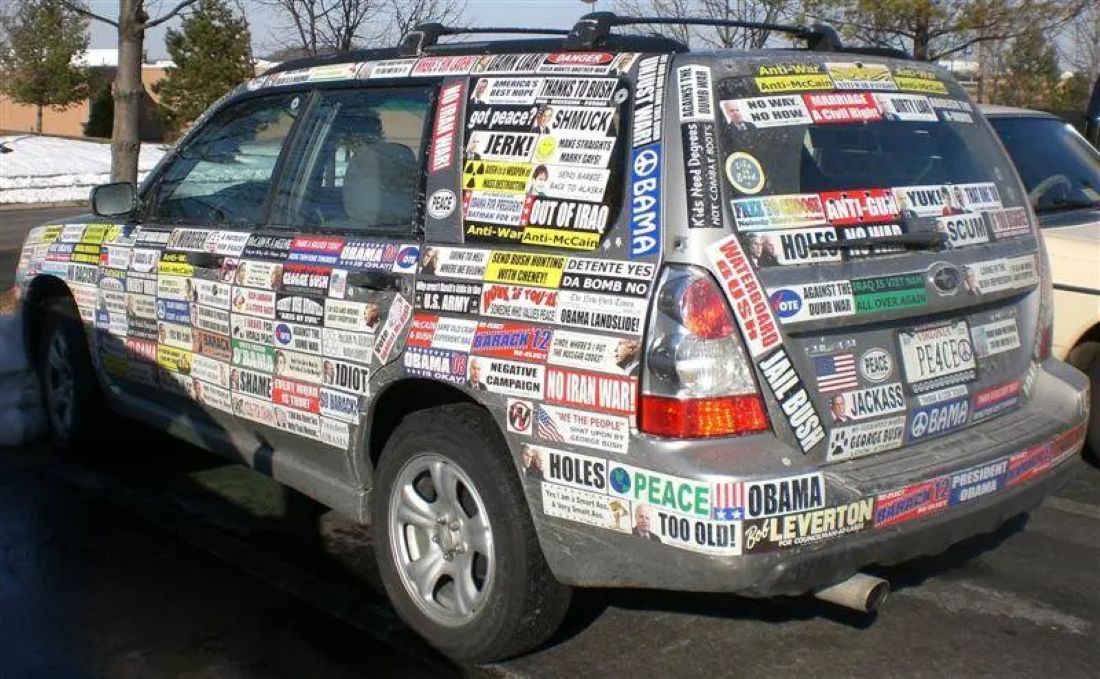
Most Americans today reach conclusions based on headlines alone. Few bother to read the article, verify the facts, or dig deeper into the background. This shortcut thinking has given rise to what I call bumper sticker politics—a culture where slogans replace substance and emotion replaces analysis. Social media algorithms amplify outrage, headlines are crafted for clicks, and complex issues are squeezed into phrases that fit on a car bumper or in a tweet. The result is a nation that feels informed but isn’t – driven more by emotional impressions than sober understanding.
Bumper sticker politics has also fueled what the late radio host Rush Limbaugh called the low-information voter—millions of people whose political views are shaped more by headlines, hashtags, and talking points than by facts or firsthand understanding. Politicians love this dynamic because it makes winning elections more about punchlines than policy positions. In a political landscape where emotion trumps evidence, the loudest message often beats the best idea. Lawmakers chase applause lines instead of durable solutions, and media outlets chase clicks instead of truth. Misinformation spreads faster than facts, and few bother to slow down long enough to notice. In the end, democracy itself becomes more about performance than problem-solving – a contest of soundbites where winning the moment matters more than getting it right.
Breaking free from bumper sticker politics won’t be easy, but it is essential if we want thoughtful debate and efficient legislative actions. Citizens must commit to curiosity over convenience, pausing to read, question, and engage with ideas beyond the headlines. Media and politicians should be held accountable for substance, not just flash. Schools, communities, and digital platforms can encourage critical thinking, fact-checking, and dialogue across divides, but why would they when it feels so good to be emotionally driven? Only when we prioritize understanding over instant reaction can we restore depth to our civic life, ensuring that democracy rewards thoughtfulness instead of just the loudest slogans.
In the end, it is up to all of us to determine whether this is the right way to choose our representatives and create our laws. Change will start when we move away from superficial slogans and insist on meaningful discussion. We should also hold news outlets accountable when their headlines don’t reflect the actual content of their articles—a trend I’ve noticed happening more often recently. That’s the essence of bumper sticker politics is it not? The news media knows most people will not actually read their article or report, so they rely on their headline to shape opinions and sway voters.
Before social media became a part of daily life, sharp headlines were crafted to grab your attention so that you’d read the rest of the story. No longer. Now snappy headlines are designed to grab your attention and be the entire story.
The actual consequences of bumper sticker politics are found just beyond the headlines. Take a moment and read all about it. Hopefully you just did. For that I thank you.