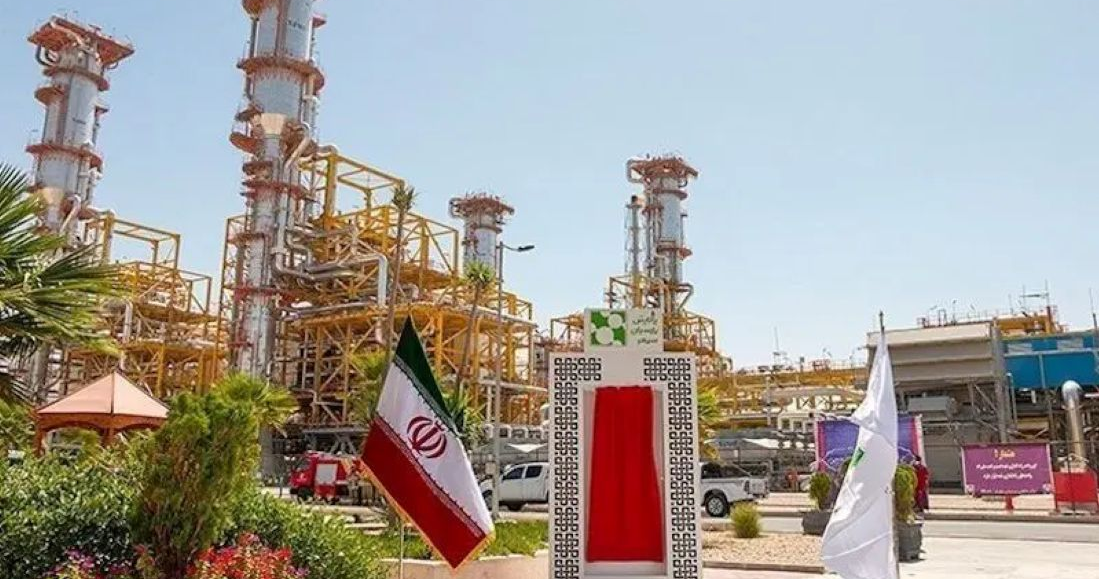
Oil pressure is undeniable, bending the course of history to its will.
Oil’s Influence on Iranian Governance
In 1951, when Mohammad Mosaddeq assumed office as Iran’s Prime Minister, oil interests had become the dominant factor influencing the nation’s constitutional framework. The political and economic environment in Iran was shaped significantly by the management of its oil resources. Although Iran’s constitution established principles of parliamentary authority and national sovereignty, practical governance was heavily impacted by external control over oil production and revenue.
The Anglo-Iranian Oil Company, operated under British authority, oversaw Iran’s oil industry, providing Iran only with royalties rather than direct control. This arrangement enabled Britain to exert considerable influence over Iran’s economy and politics, diminishing the intended effectiveness of constitutional self-governance. Mosaddeq recognized that true parliamentary power and national autonomy were unattainable without Iranian control of its own oil resources, which left governmental institutions vulnerable to foreign intervention.
Mosaddeq’s Vision for Sovereignty
Mosaddeq understood that true political control was inseparable from control over oil. He recognized that a parliament lacking authority over oil was impotent, and a monarchy dependent on foreign oil deals was vulnerable to outside influence. Sovereignty, he believed, required more than mere symbolism – it demanded ownership of the nation’s resources.
In 1951, upon becoming prime minister, Mosaddeq confronted the source of foreign pressure by nationalizing Iran’s oil industry. He did not view this as an act of rebellion, but as a step toward establishing rightful ownership: Iran would possess the oil within its borders.
The Consequences of Nationalization
This decision transformed the landscape. Oil no longer flowed according to imperial schedules. Revenues dropped, tankers changed course, and refineries slowed. This disruption was tangible, not merely symbolic. The international system, which depends on consistent Iranian oil supplies, experienced disruptions; as a result, reduced energy flow led to increased tensions and challenges.
International Reaction and the Downfall of Democracy
Britain responded first with legal measures, then with force disguised as procedure – lawsuits, embargoes, and blockades, all designed to restore oil flow without yielding ground. The greater fear was not Iran itself, but the possibility that other oil-producing nations might follow Iran’s example and demand control over their own resources.
The United States, after initial hesitation, intervened. Within Cold War logic, oil represented stability, and any disruption threatened ideological balance. A democratic Iran that jeopardized oil markets was seen as a greater risk than an authoritarian Iran that ensured supply. Strategically, Mosaddeq’s error was believing legality and popular support could outweigh global energy security.
Ultimately, in 1953, covert operations – through money, propaganda, intimidation, and orchestrated unrest – achieved what sanctions could not. Mosaddeq was ousted, and the Shah was reinstated, not as a constitutional monarch, but as a stabilizing force. The answer to the global question of who could be trusted to keep oil flowing was clear: not democracy.
The Return of Oil-Fueled Autocracy
Oil resumed its expected course, and revenues soared. With this wealth came increased weaponry, intelligence services, and repression. Oil financed order and insulated the regime from its people, allowing the state to operate without popular consent. The machinery of governance ran efficiently, no longer dependent on public approval.
Yet, oil pressure was not eliminated – only redistributed.
The Cycle of Pressure and Revolution
By 1979, the tensions had reached a breaking point. The revolution toppled the monarchy, but oil’s central role remained. The Islamic Republic inherited the same oil wells, the same leverage, and the same scrutiny. Oil continued to shape the nation’s organization – contracts gave way to sanctions, monarchy to ideology, but the underlying structure persisted.
The cycle began anew.
The Legacy of Mosaddeq
Mosaddeq’s lasting significance is found in the choices he made and the consequences he endured. He showed that Iran could pursue democratic control over its oil, and his downfall demonstrated how unacceptable that choice was to a global system built on the certainty of petroleum supply. His removal was not the result of personal failings or political missteps, but a deliberate correction by those invested in oil’s flow.
Oil does not permit deviation easily.
The Enduring Axis of Oil
Iran’s modern history continues to revolve around oil. Reform movements rise, pressure mounts, and control is reasserted. While the actors change, the resource remains constant. Mosaddeq’s story serves as a warning: in a world powered by oil, sovereignty is only tolerated when it is predictable.
Today, echoes of this oil-driven cycle are unmistakable in Iran’s ongoing unrest. As economic hardship and political dissatisfaction intensify, many citizens find themselves in the grip of heavy-handed state control. In recent years, calls to overthrow the Islamic Republic have grown louder, with some opposition groups rallying around the exiled Prince, Reza Pahlavi, the son of the last Shah of Iran, as a symbol of an alternative future. This movement sees the monarchy’s return as a pathway not only to political change but also to reclaiming national dignity and stability – a narrative deeply intertwined with Iran’s legacy of oil and sovereignty.
As in Mosaddeq’s era, the central issue extends beyond governance to encompass control over Iran’s key resource. The influence of oil, and those who manage it, remains a significant factor shaping Iranian history. Whether Pahlavi’s return will alter this enduring pattern or merely continue it is yet to be determined; however, the prominence of oil ensures that any change in leadership will be evaluated based on global energy demands and Iran’s ongoing efforts toward self-determination.
Currently, the National Iranian Oil Company (NIOC), a state-owned enterprise, is responsible for the exploration, production, and distribution of oil in Iran. Additionally, the Islamic Revolutionary Guard Corps (IRGC) has significant control over the oil industry, reportedly siphoning a substantial portion of the country’s oil wealth while over 25 million Iranians suffer in poverty.
As Iranians take to the streets in protest, the IRGC answers with bullets. This violence against fellow Iranians is not rooted in Islam; it is driven by power, oil, and the wealth they protect.